An evaporative air conditioning system plays a crucial role in maintaining indoor comfort during Perth’s intense summer heat, especially when temperatures climb toward 40°C. Designed for the region’s dry climate, evaporative air conditioning works by drawing hot outdoor air through water-soaked cooling pads, delivering a natural and energy-efficient cooling effect. To ensure reliable performance, regular care is essential. Proper maintenance helps prevent odours, improves cooling efficiency, and reduces water and energy consumption. The following nine tips outline key practices from routine cleaning to optimising system settings to help keep your evaporative cooler operating effectively throughout the summer.
Expert Guidance for Long-Lasting Cooling
Keeping your system in top shape is essential, especially during Perth’s hot summers. These 9 Perth’s Best Tips for Evaporative Air conditioning Care are designed to help you boost efficiency, extend system life, and enjoy cleaner, fresher airflow. By understanding how evaporative air conditioning works, performing regular upkeep, and following local best-practice methods, you can make sure your conditioning continues to deliver reliable comfort when you need it most. With the right approach to conditioning, you’ll reduce running costs, prevent breakdowns, and maximise cooling performance year-round.
1. Annual Service for Your Evaporative Air Conditioning System
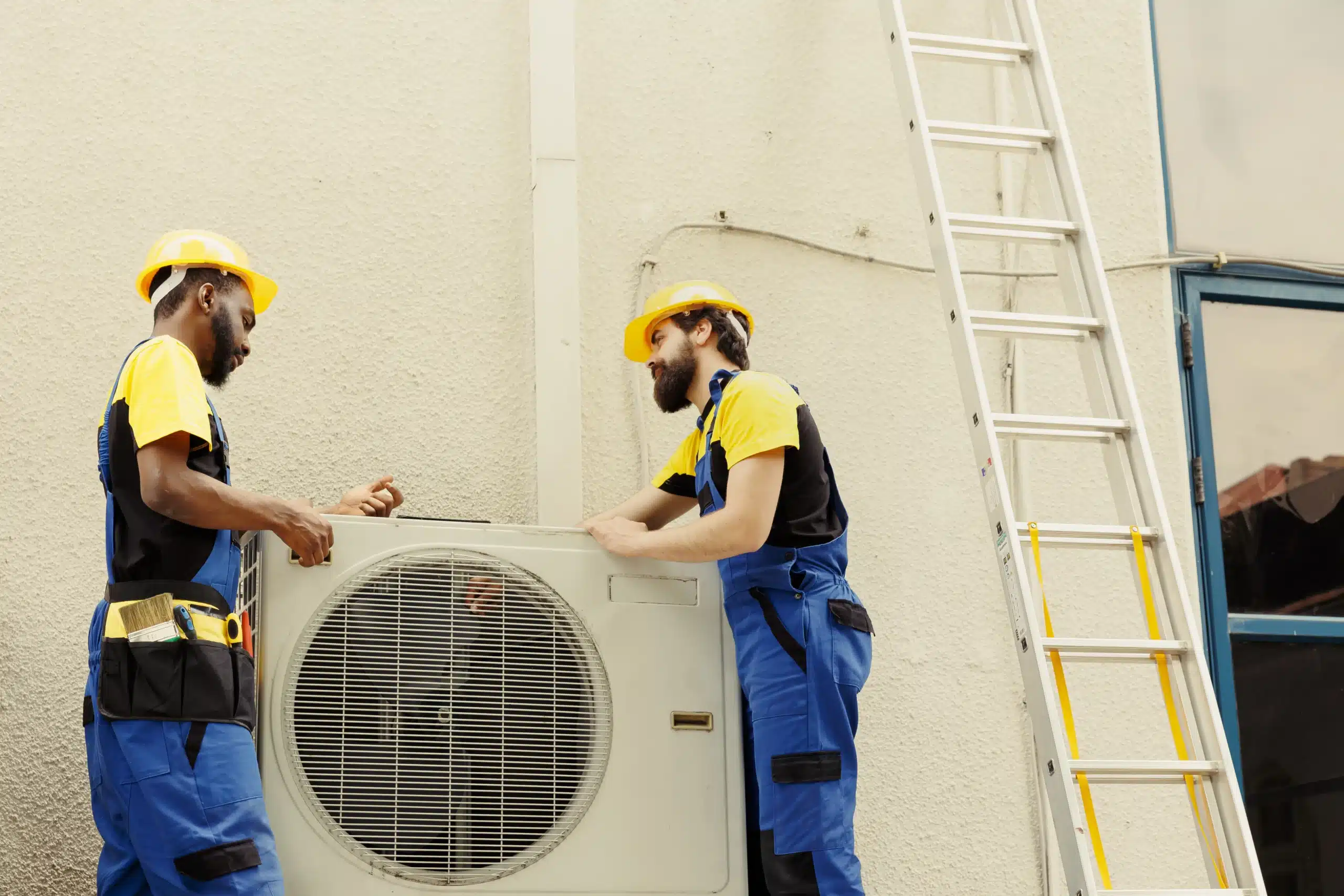
A technician services an evaporative air conditioning unit on the roof, ensuring all parts are functioning correctly. First thing’s first: treat your evaporative AC to a yearly check-up. In Perth’s hard water and dust-filled air, your pads, valves and tank can build up grit or salt over winter. Calling a professional each spring is like giving your unit a spa day – they’ll flush and sanitize the system, replace worn pads, tighten belts and even fine-tune the water bleed rate. In fact, the WA Water Corporation advises a “summer start-up service” where a licensed tech will “check for leaks, remove any salt build up… and clean or replace your filter pads”. It’s a bit like changing the oil in your car before a long road trip – avoid the breakdown on a sweltering day by getting that annual tune-up.
2. Clean or Replace Your Evaporative Air Conditioning Pads
Next up, check those cooling pads. In everyday use, they trap dust, pollen and minerals, and soon enough they’re clogged or mouldy. Your evaporative air conditioning can’t cool efficiently with dirty pads. The Water Corporation stresses that “filter pads can get clogged over time” and must be cleaned regularly. In practice, that means once or twice a season . Here’s what I do: with the power off, pull out the pad panels, then soak and spray them with a garden hose until the water runs clear. If a pad is brittle or smells musty, replacing it with new pads can instantly boost cooling power by 30–50%.
Cleaning agents or a splash of vinegar help against algae. Remember, as one service pro puts it, an evaporative AC is only as good as its pads: clogged or rotten pads create a roadblock for air. And Purify Air Conditioning technicians note that a proper clean involves “sanitise[ing] the evaporative pads” to remove all slime. Bottom line: keep those pads pristine and your Perth parka will thank you with strong, fresh airflow.
3. Flush and Clean Your Evaporative Air Conditioning Water Tank
While you’re at it, empty the water tank. Any stagnant water left in the sump turns into a swampy cocktail of sludge and algae. I always drain my tank at the end of the season and give it a good scrub. With the power off, open the drain valve and let all the water out, then use a brush to scour the inside of the basin. Rinse well. This one step alone can eliminate foul odours and dirt that otherwise get recirculated through the pads. Purify Air Con’s checklist even specifically says to “clean [the] water tray/basin by removing sediment and slime”. Think of it as giving your air conditioner a bath: dirty water = dirty air. A clean tank means better air quality and less work for your pump.
4. Check and Adjust the Water Flow (Bleed) Rate
Your evaporative AC bleeds off a little water constantly to flush out impurities. But too much bleed just wastes water. A simple bucket test can tell you if it’s set right. Place a bucket under the bleed-off hose and run the cooler for 30 minutes. An efficient unit will only fill half a 5.5 L bucket in that time. If it overflows, the bleed rate is too high or a float valve is stuck – time to adjust it or call a technician. The Australian home-efficiency guide notes you should set the bleed-off “to the minimum required” for your water supply. In practice, keep it around 11–20 L/h as recommended. Anything more is just watering the roof.
- Pro Tip: Use this bucket test regularly. Even a few extra litres per hour add up.
Also, pay attention to running time. If you’re stepping out for work or holidays, switch the unit off – don’t leave it churning through water for no reason. The official advice is clear: “Make sure the air-conditioner is turned off when you go on holidays or are not at home”.
evaporative air conditioning
5. Inspect Belts, Fan and Valves on Your Evaporative Air Conditioning
Your evaporative AC is a mechanical system, so give its parts a look-over. Climb up to the roof or open the cabinet and check:
- Fan and Belts: Ensure the fan spins freely and the drive belts are tight and not frayed. A loose belt or seized fan wastes energy and may overheat the motor.
- Motor and Pump: Listen for unusual sounds. Make sure the motor and water pump are securely mounted and not dripping oil. Look for rust or worn wiring. A professional HVAC guide even lists inspecting electrical components to prevent failures.
- Valves and Leaks: Test the float valve and bleed/dump valve – they should click shut properly. Ensure overflow drains aren’t blocked. Check around the unit’s base to confirm no leaks or gaps.
If anything seems off – a loose fan belt, a crack in a pipe, or rickety mounting – fix it now. A rattling loose cooler will only die on you during Perth’s next heatwave. Regular checks like this are easy to do and prevent small problems from becoming big meltdowns.
6. Seasonal Shutdown and Startup
Don’t forget the change of seasons. Even in mild Perth winters, it pays to “winterise” your cooler. When summer’s over, drain any remaining water and prop open the panels so the interior dries out. It’s a bit like airing out gym shorts: moisture left in there invites mold and rust. Come spring, do a test-run before the real heat hits. Turn it on empty to make sure everything circulates. Replace any parts that froze or corroded. According to one HVAC expert, technicians “drain water from the unit and seal openings” in winter, and when spring arrives they “replace worn-out parts” and test the whole system. It might seem like overkill in a subtropical city, but I’ve learned it’s better to spend an hour prepping in spring than be caught with a dead AC when 40°C rolls around.
7. Use Smart Settings: Fan-Only and Timers
Your evaporative AC has some hidden tricks to save water and power. For example, if the air’s a bit muggy or when you just want gentle airflow, switch to “fan-only” mode. This runs the fan without pumping extra water, giving you cheap ventilation on humid evenings. It’s also ideal for those borderline days where full cooling isn’t needed. Additionally, use the built-in timer or sleep mode. Set the unit to turn off after you fall asleep or when you leave for work. The Water Corporation advises using the timer to stop the cooler during sleeping hours and holidays. In short: don’t let your evaporative air conditioning idle all night if you don’t have to. A few smart clicks on the remote and you’ll save both water and money without breaking a sweat.
8. Improve Ventilation to Support Your Evaporative Air Conditioning
Effective operation of an evaporative air conditioning system relies on a continuous supply of fresh air. Because the system cools by drawing in outdoor air and pushing warm air out, tightly sealed rooms can cause the cooled air to recirculate and become overly humid, reducing overall performance. To maintain proper airflow, it is recommended to keep at least one window or door slightly open in the areas being cooled. The Water Corporation advises that adequate openings are essential, noting that insufficient ventilation reduces the system’s cooling effectiveness. Allowing cool air to escape also lowers internal pressure, reducing strain on the fan and improving energy efficiency. In practical use, opening a window or two ensures that your evaporative air conditioning system can operate smoothly and deliver consistent, comfortable airflow throughout the space.
9. Save Water and Energy with Your Evaporative Air Conditioning
Finally, remember this one mantra: Use it, don’t waste it. An evaporative cooler can evaporate a lot of water. So everything we’ve done above is about efficiency. In everyday terms, that means double-checking that minimum bleed rate, running it only when you need to, and turning it off when you’re not around. If you forget everything else, at least do this: when you leave town or hit the hay, switch it off. It’s almost shocking how many people leave these things running 24/7. By contrast, on slightly humid nights I’ll sometimes turn the AC off and open the window instead – even a warm evening breeze can save a bucket of water.
Use this last tip as your water-saving catch-all: treat your evaporative air conditioning like the precious resource it is. Set the controls smartly, and you’ll keep your family cool without soaking your water meter.
Maintenance Checklist
For quick reference, here’s a simple table of key maintenance tasks and how often to do them:
|
Task |
What to Do | Frequency |
|
Professional Service |
Full system check-up by technician | Once a year |
|
Clean/Replace Pads |
Rinse or install new cooling pads to remove dust and mold |
Annually |
|
Flush Water Tank |
Drain the reservoir and scrub out sediment/slime |
Annually |
| Inspect Belts & Motor | Check fan belts, motor mounts, pump and wiring |
Annually |
| Seasonal Prep | Winterise by draining and airing; spring start-up checks |
Twice a year |
Conclusion
You’ve now got the low-down on keeping evaporative air conditioning in top shape. A few hours of upkeep each year can mean a summer of comfort in Perth’s heat. Remember, clean pads, clean water, and smart settings are your best friends.
What’s your first step? Maybe you’ll grab the hose this weekend and wash those pads, or set up a timer on the unit. Even the Water Corporation recommends regular evaporative maintenance to save water and stay efficient. If you found this guide useful, share it with a mate who could use a cooler home. Got your own tip or a question? Drop it in the comments below – I love hearing how other Perthners tackle AC care.
For more detailed advice, check out Western Australia’s Water Corporation on evaporative cooling or chat to your local HVAC pro. Stay cool this summer, Perth!
Frequently Asked Questions
-
How often should I service my evaporative air conditioning?
Aim for a professional tune-up every spring before summer. Regular cleaning tasks (like pads and tank) should be done seasonally, but a full check-up once a year ensures peak performance.
-
Can I clean the pads myself?
Absolutely. Remove the pads, rinse both sides thoroughly (use hose or pad cleaner), and let them dry before re-installing. Replace pads annually if they’re moldy or degraded.
-
Do windows need to be open when running evaporative cooling?
Yes. Keep a couple of windows or doors cracked open in the cooled areas. This airflow allows hot air to escape and fresh air to enter, making your evaporative air conditioning more effective.
