

Ever melt in a Perth summer and dream of the coolest comfort without sweating up a storm? You’re not alone. As an Aussie who’s swapped a sticky old fan for sleek mini-splits, I can tell you: a ductless air conditioner feels like magic on a hot day. These systems are popping up in Perth homes because they’re super-efficient and flexible and they sidestep the ugly ductwork chaos of traditional AC. In this blog, let’s chat like mates about how ductless ACs work, why they might be your home’s new best friend, and even compare them to evaporative cooling and portable coolers.
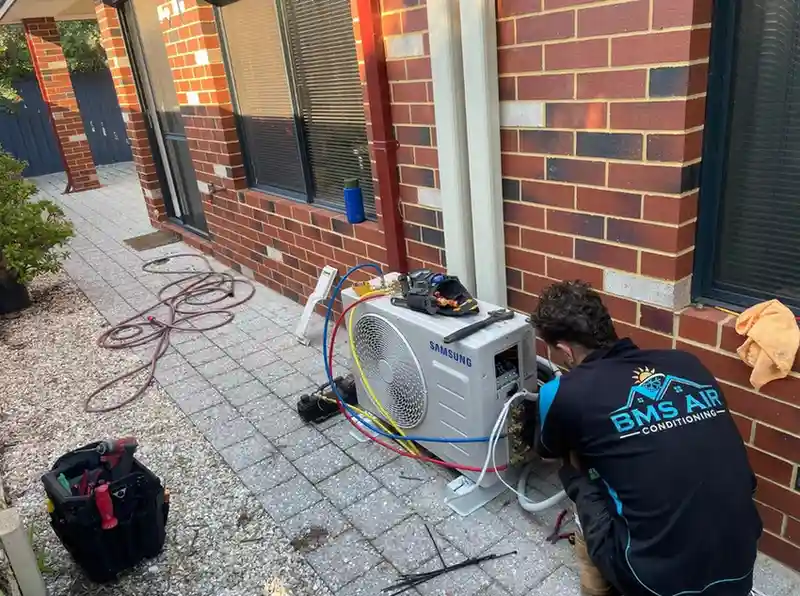
Ductless air conditioners (often just called “mini-splits” or even “split systems” in Oz) are aircon units without ducts running through your house. In simple terms, a ductless AC has two main parts: an indoor unit that blows cool air into a room and an outdoor compressor unit that kicks heat out into the open air.
These are connected by refrigerant lines, a power cable and a drain line. Unlike the old-school big-box ACs that pump air through vents, a ductless system sends cooled (or heated) air directly into each room where the unit is installed.
The indoor component (usually wall-mounted or ceiling-suspended) contains the evaporator coil and a fan. It literally sucks in warm air from the room, cools it as the refrigerant in the coil absorbs heat, and blows the cool air back out (you might think of it as a mini-version of your fridge’s innards).
Meanwhile, the outdoor compressor unit takes the warm refrigerant line and dumps that heat outside. It works in a loop: cool air in, warm air out, so you stay comfy and the heat is banished to your backyard or side alley. The punchline? No ducts needed. The whole shebang is often called a “ductless mini-split system” for that reason, and yes, it’s exactly as straightforward as it sounds: mini-split = mini duct-free.
How Ductless Systems Work (The Cool Science)
Here’s a brief, easy-peasy breakdown of the cooling cycle in a ductless air conditioner, step by step:
- Heat absorption indoors: The fan in the indoor unit pulls warm room air into its evaporator coil. The refrigerant inside that coil absorbs the heat from the air, cooling the air in the process.
- Heat release outdoors: The now-hot refrigerant travels through pipes to the outdoor compressor. Here it releases the heat to the outside air through a condenser coil (you can often feel this if you stand by the outdoor unit – it blows out hot air).
- Refrigerant resets: Having dumped the heat, the refrigerant condenses back into a cool liquid and heads back inside to repeat the process.
- Cool air distribution: Meanwhile, the cooled air that was in the room gets blown back in by the indoor unit’s fan, dropping your room temperature.
It’s basically the same principle as any refrigerator or air conditioner evaporate, condense, loop but without a big duct network. The indoor units are like quiet, wall-hanging vents, each with its own thermostat and controls, so you can dial the temp independently in each room.
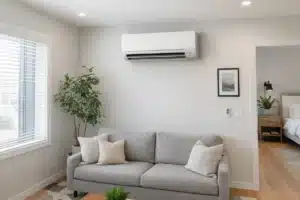
ductless air conditioner
Most ductless systems come in two flavors:
- Single-Zone (Split System): One indoor unit paired with one outdoor unit. Great for cooling or heating a single room or a small open space.
- Multi-Zone (Multi-Split) System: One outdoor unit linked to multiple indoor units (sometimes up to four or more). Each indoor unit can independently cool its room. We Aussies sometimes just call this a “multi-head split system.” It’s ideal when you want to set different temperatures in different rooms (think: cooler bedroom, warmer living area).
Key Parts of a Ductless (Mini-Split) System
A typical ductless AC setup has a few key components:
- Outdoor Compressor Unit: This sits outside and contains the compressor and condenser coil. It’s the heart of the system squeezing and cooling the refrigerant. When it’s on, it spits out a plume of warm air (and a bit of noise, though mini-splits are fairly quiet). This unit is usually mounted on the ground or bracketed to an exterior wall.
- Indoor Evaporator Unit(s): These are the sleek boxes mounted inside each room you want to cool. Each has an evaporator coil and a fan. As mentioned, they suck heat from the room air and blow cool air back out. Each indoor unit has its own remote/controls, so you can tweak the temp room by room.
- Refrigerant Lines and Power Cable: A small conduit (a neat wall or ceiling hole) carries refrigerant tubing, electrical wiring, and a condensate drain between the indoor and outdoor units.
- Condensate Drain: As the indoor coil cools air, it also creates condensation (water). A drain line carries this water out of the house so you don’t get drips or humidity building up.
- Remote Controls: Yup, every indoor head usually has a remote (or wall controller). You can crank the temp up/down, set modes (cool/heat/fan/etc.), and even adjust timers for each room.
All these bits work together to give you cool comfort. Because it’s zone-based, each unit cools only its room, with no cold losses through vents or ducts. As Mr. Emergency explains, this direct delivery of cooled air is why the system is literally “ductless.”
Advantages of Going Ductless in Perth
Choosing a ductless air conditioner has some serious perks, especially for Perth homes and Aussie climates. Here’s the sunny side:
- Energy Efficiency: Ductless systems avoid the 20–30% energy losses that ducted systems often have (leaks, heat gain in ducts, etc.). By cooling just the rooms you need, they waste less power. In fact, modern inverter mini-splits can reach very high efficiency ratings (some above 20 SEER2!).
- Zoned Comfort: You can set different temperatures in different rooms. Got a hot sleeper? Dial that bedroom cooler at night without freezing the rest of the house. Adults sweltering in the study? Blast AC there without wasting juice elsewhere. It’s personalized control on the daily.
- Easy, Flexible Install: No ducts means a quick install. A small hole is all it takes to connect indoor and outdoor units. This also means retrofitting older houses is a breeze: just hang the indoor unit on a wall, bolt the outdoor unit outside, and plug it in. The DOE even notes you can place the outdoor compressor up to 50 feet away in some setups. For us, that means you could tuck it behind a garden wall or away from neighbors’ windows with minimal fuss.
- Improved Air Quality: Without duct circulation, you don’t recirculate the dust or mould that can accumulate in ductwork. Ductless units often have multi-stage filters in each indoor head, which trap allergens, pollen and dust as they run. Freshly cooled air only. hooray for allergy sufferers.
- Cool and Quiet: Indoor units operate whisper-quiet compared to old boxy window units. You barely notice them except for the gentle hum of the fan. (The outdoor unit makes a bit of racket outside, but that’s far from your bedroom window.)
- Space Savings: Compared to a bulky ducted central system or a room AC, mini-splits are compact. Many indoor heads are only a few inches deep and look like sleek wall art.
- Heat Pump Tech: Most ductless ACs are reverse-cycle, meaning they can heat in winter too (like a heat pump). This doubles their usefulness in Perth’s cool season. (Though a note: they might not work super-well if it ever gets below freezing, but that’s rare here.)
In short, ductless units give you flexibility, efficiency and easy installation, making them a popular choice for modern Perth homes.
Drawbacks to Consider
But hey, no system is perfect. Here are some caveats of a ductless mini-split:
- Upfront Cost: These units can have higher initial prices (especially multi-zone setups) than a single conventional split system. You pay extra for all that inverter and multi-zone tech. However, the energy savings and potential rebates can help balance that over time.
- Limited Whole-Home Use: If you own a mansion or need whole-house cooling, a bunch of ductless heads might add up fast. Mini-splits are fantastic for specific zones or additions, but cooling a very large home with them might become less practical than ducted central AC.
- Installation Skills Required: You really want a certified pro to install it right. Incorrect refrigerant charge or placement can tank efficiency (and void warranties). So factor in “professional aircon installation” into your plans; as one Perth guide bluntly puts it, always get a pro to install your new system.
- Aesthetics: Let’s be real, some folks aren’t thrilled about a couple of boxy indoor units on their walls. They look more obtrusive than hidden duct vents. If interior style is a priority, this could irk you (though many find the newer designs quite sleek).
- Outdoor Unit Vulnerability: The compressor sits outside, so it’s exposed to weather and prying claws. You might need to protect it from storms or curious kids.
- Limited Filtration: While they do filter dust, ductless systems generally have less air filtration power than big central systems (which often have HEPA or high-MERV filters). So if indoor air purity is a major concern, note that difference.
In summary, weigh the convenience and efficiency versus the cost and placement. For many, the pros far outweigh the cons, but it’s good to know the trade-offs.
Ductless vs. Evaporative vs. Portable Coolers
With Perth’s unique climate, you’ve probably wondered: Should I go ductless AC or stick with an evaporative (swamp) cooler? Or maybe just grab a portable evaporative air cooler? Let’s break it down:
- Evaporative Air Conditioning: This is the classic Aussie swamp cooler, blowing moist, chilled air through the whole house via ducts. It’s built for hot, dry summers and Perth usually fits the bill. In fact, Perth’s average summer humidity (~40–50%) is ideal for evap coolers. In optimal conditions, they are incredibly cheap to run (only using a fan and small water pump). But—and it’s a big but—when the humidity creeps above ~50%, they lose punch. So on muggy nights or during wet spells, they barely feel cooler. Also, evaporative coolers spray water into the air, making it more humid; this is not ideal if you prefer dry air or have allergies.
- Ductless (Refrigerated) AC: Refrigerant-based systems (like mini-splits) work by cooling and dehumidifying the air. They’ll keep running at peak even if the outside is humid or smoky. They can hit lower temps and truly control the indoor climate. The trade-off is higher energy use. As a Perth HVAC specialist notes, refrigerated ACs suck up 1.5–4.0 kW/h of power, versus only 0.3–0.7 kW/h for an evaporative cooler. In plain terms, the power bills go up with AC, even though you get ice-box coolness. (Evaporative users often see way lower electricity bills, though they pay a price in higher water use—15–25 L/hour!)
- Portable Evaporative Cooler: Think of this as a mini swamp cooler you wheel around. It’s handy for quick relief in one room and costs little to buy. But it’s limited: it only cools its space and still needs that very dry air. If it’s humid at all, its effect is minor. And yes, it still spits out a small pond’s worth of water if left cranked.
In Perth specifically: If you have an enclosed home that holds in humidity, a mini-split will outperform a swamp cooler on very hot days, humidity or not. But if you live in a well-ventilated place and want the lowest running costs, an evaporative system can be tempting (Perth summers are usually dry enough to make it work pretty well). Many homeowners use a mix: for example, use evap cooling most days for the savings, and crank up the ductless AC in a specific room when the air is muggy or a heat wave hits. The portable evaporative coolers can fill in or give a portable option, but they’re no substitute for whole-house cooling.
Quick comparison table: (just for clarity)
|
Cooling Type |
Best for… |
Energy Use (kW/h) | Water Use |
Notes |
|
Ductless Air Conditioner |
All climates, any humidity; precise cooling | 1.5–4.0 (split units) | ~0 | Works regardless of humidity; dehumidifies too |
| Evaporative Air Conditioning | Hot, dry climates (open doors/windows) | 0.3–0.7 | 15–25 L/h |
Very low power; loses effect if humidity >50% |
|
Portable Evaporative Cooler |
Dry, one-room cooling | ~0.1–0.2 (small units) | ~5–10 L/h (estimate) |
Cheap, portable, but limited cooling and increases humidity |
(Energy use values are indicative. A midsize split AC was ~1.5–4.0 kW/h vs. an evap cooler ~0.3–0.7 kW/h.
So, you could say ductless AC is “always ready” and versatile; evaporative is “cheaper to run if conditions suit.” A local plumber summed it up: refrigerant ACs are more effective at delivering cool air, but they consume more power. Evaporative units can be gentler on bills but need a dry outside; otherwise, they just freshen up the air slightly.
Given Perth’s climate is generally dry, evaporative cooling is a popular choice here but it only makes sense if you don’t mind the damp air and occasional drop-off in performance when humidity spikes (which even in Perth can happen in late summer). If you crave consistent, powerful cooling and don’t mind the electricity, a ductless air conditioner has you covered.
Installation and Upkeep
Installing and looking after a ductless AC involves some steps (and yes, a good tradie). Professional aircon installation is highly recommended. In fact, the experts say, “Always reach out to a professional to get your new air conditioning unit installed properly.” Proper installation includes correct refrigerant charging, secure mounting, and proper draining mess this up and you risk leaks, poor performance, or voided warranty. (For example, the Department of Energy advises choosing an experienced installer to maximize energy savings.)
Once it’s in, you’ll need to do a bit of maintenance on your heating-and-cooling system. Clean or replace the indoor unit’s filters regularly (every few months) so the airflow stays strong and the coils stay clean.
If you’re using an evaporative cooler anywhere, remember to service it annually—change the pads and check water lines because those soak-up pads deteriorate over time. Basically, any cooling unit wants some TLC: dust off the indoor heads, check the condensate drain for blockages, and vacuum the outdoor condenser fins if they get froofy. A quick self-check each season goes a long way.
Another tip: Many ductless systems offer smart features now, like Wi-Fi controls or energy-saving modes. Utilize these if you can things like scheduling or peak-shifting can shave dollars off your bill. And yes, even the experts say modern units with “PeakSmart” or similar tech can manage electricity demand better. It’s fancy, but it just means you can program the unit to run less during peak, pricey hours. Worth a look for the tech-savvy, or just stick with the handy remote: scheduling your mini-split to warm up rooms just before you wake up or come home is already a smart move.
Is a Ductless Air Conditioner Right for You?
By now you can see that ductless air conditioners deliver a lot of bang for your buck, especially in a place like Perth. They’re efficient, they cool quickly, and they fit houses that aren’t set up for big ducts. They do cost more upfront than an evaporative cooler, and they’ll run up your power bill more than a swamp cooler. But they also make everyday life cooler and drier when you need it, without the humidity or windows-open rules of evap systems.
If you have a small-to-medium home, a room addition, or a space that gets roasting hot (like a west-facing bedroom or a sunny studio), a mini-split could be the perfect upgrade. Remember to budget for a licensed technician to install it; cutting corners here can lead to headaches later.
In any case, whether you pick ductless or evaporative (or even just pop in a portable cooler on freaky hot days), the goal is to stay comfortable safely. If you’re still unsure, chatting to an air-conditioning pro in Perth can help sort it out; they know local climates and can recommend a model that fits your space and wallet.
Stay cool, and may your next summer be as breezy as a well-oiled fan.
Conclusion
A ductless air conditioner is a smart, energy-efficient solution for modern homes and businesses. By eliminating the need for bulky ductwork, it provides targeted cooling exactly where you need it, helping reduce energy waste and lower utility bills. With its easy installation, quiet operation, and flexible design, a ductless system is ideal for both new spaces and older properties. Understanding how it works from the indoor unit to the outdoor compressor can help you make a more informed decision when choosing the right cooling option for your comfort needs.
FAQs
-
What is a ductless air conditioner?
A ductless air conditioner, also known as a mini-split system, is a cooling system that does not require ductwork. It consists of an indoor unit and an outdoor unit that work together to cool specific areas.
-
How does a ductless air conditioner work?
It works by transferring heat from inside your home to the outside using refrigerant. The indoor unit absorbs warm air, and the outdoor unit releases that heat outside.
-
Is a ductless air conditioner energy efficient?
Yes, ductless systems are highly energy-efficient because they avoid energy losses associated with traditional ductwork and allow for zoned cooling.
-
Can a ductless air conditioner cool multiple rooms?
Yes, multi-zone systems can connect multiple indoor units to a single outdoor unit, allowing you to cool several rooms independently.
-
How long does a ductless air conditioner last?
With proper maintenance, a ductless air conditioner can last 15–20 years, making it a long-term investment for your home.
-
Is installation complicated for ductless systems?
No, installation is generally quicker and less invasive compared to traditional HVAC systems since no ductwork is required.
-
Are ductless air conditioners noisy?
No, they are known for quiet operation, especially compared to window units or older central systems.
-
Do ductless air conditioners require maintenance?
Yes, regular cleaning of filters and periodic professional servicing will help maintain performance and extend the system’s lifespan.
